
Plant foods—vegetables, fruits, whole grains, legumes, nuts, and seeds—provide the foundation of nutritionally balanced diets across diverse cultures and time periods. The variety of plant foods available offers distinct nutritional profiles, bioactive compounds, and complementary health benefits. Consuming diverse plant foods ensures adequate intake of fiber, micronutrients, and thousands of phytonutrients that support physiological function.
Nutritional Diversity Through Color
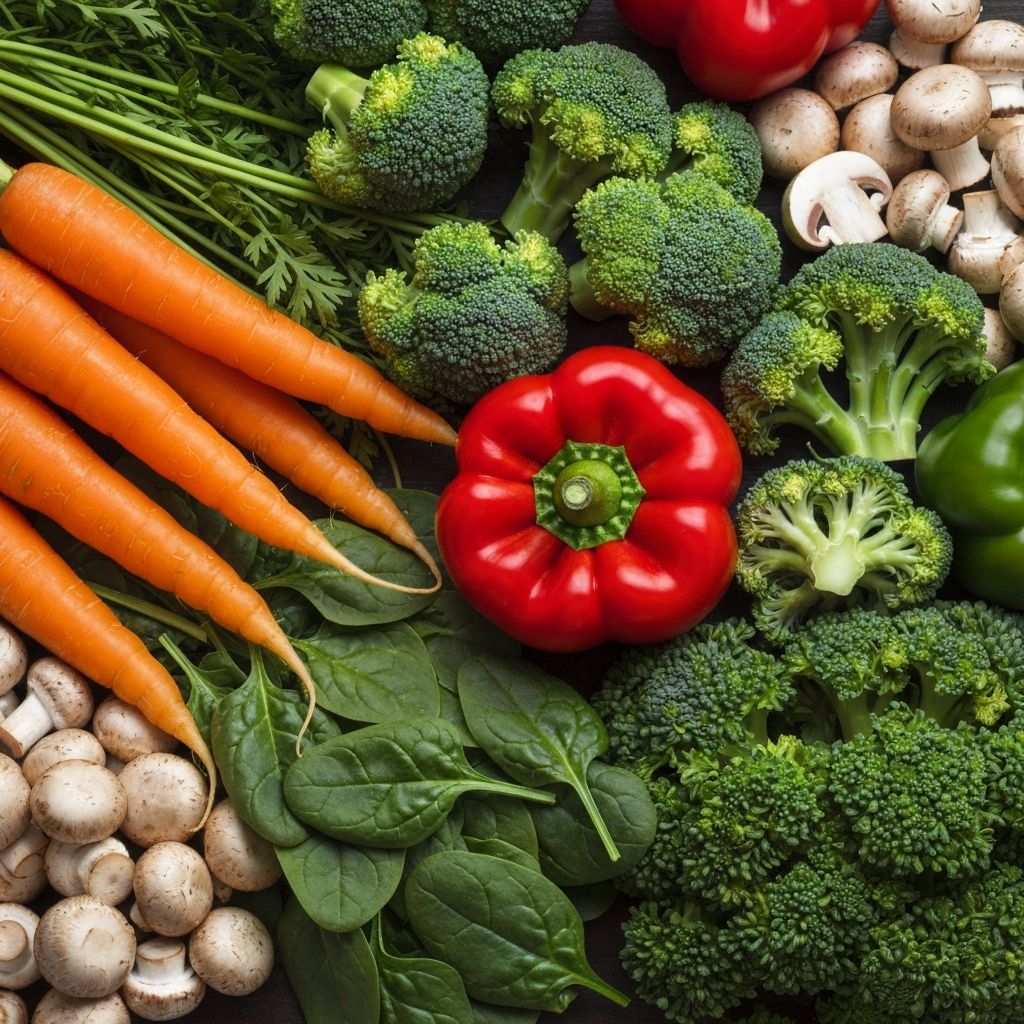
Different colored vegetables and fruits contain distinct phytonutrient compounds. Red and orange vegetables (tomatoes, carrots, peppers) contain carotenoids; dark leafy greens contain lutein and zeaxanthin; purple and blue foods contain anthocyanins; yellow and white foods contain different flavonoids and polyphenols. Including the spectrum of colors ensures exposure to diverse bioactive compounds that research suggests support health through antioxidant, anti-inflammatory, and other protective mechanisms.
Cruciferous Vegetables
Cruciferous vegetables (broccoli, cauliflower, cabbage, Brussels sprouts) contain sulfur-containing compounds called glucosinolates that break down into isothiocyanates during digestion. These compounds have been extensively studied for potential protective effects. Regular consumption of cruciferous vegetables is associated with various positive health outcomes in epidemiological research.
Leafy Greens and Micronutrient Density
Dark leafy greens (spinach, kale, collards) are among the most nutrient-dense foods available, providing substantial amounts of vitamins K, A, and C, folate, magnesium, and other micronutrients relative to caloric content. Including leafy greens regularly supports micronutrient intake with minimal caloric contribution.
Whole Fruits and Fiber
Whole fruits provide fiber, water, micronutrients, and bioactive compounds. The fiber in whole fruits supports digestive health, provides satiety, and influences nutrient absorption and metabolic processes. Consuming whole fruits rather than juice preserves the fiber content and moderates sugar delivery, which affects glycemic response and satiety.
Legumes and Plant-Based Nutrition
Legumes (beans, lentils, chickpeas, peas) provide protein, fiber, complex carbohydrates, and micronutrients. They are staple foods in numerous cultural traditions, and research on populations consuming legumes regularly suggests contributions to overall health. Legumes contain compounds that require cooking to optimize digestibility and reduce anti-nutritive factors.
Nuts, Seeds, and Healthy Fats
Nuts and seeds provide protein, healthy fats, fiber, and micronutrients. Regular consumption of nuts and seeds is associated with cardiovascular benefits and metabolic health. The fat profile, vitamin E content, and other bioactive compounds in nuts and seeds contribute to their positive health associations.
Whole Grains and Sustained Energy
Whole grains (brown rice, oats, quinoa, whole wheat) provide complex carbohydrates, fiber, B vitamins, and minerals. The intact bran and germ preserve nutrient content compared to refined grains. Whole grains support sustained energy, digestive health, and micronutrient intake.
Information Context
This article provides educational information about plant foods and their nutritional components. It is not medical advice or personalized dietary guidance. Individual nutritional needs vary. For specific concerns, consult qualified healthcare practitioners.